

How Much Can the 2026 Ford F-250 Tow? Specs, Engines & Max Trailer Weight
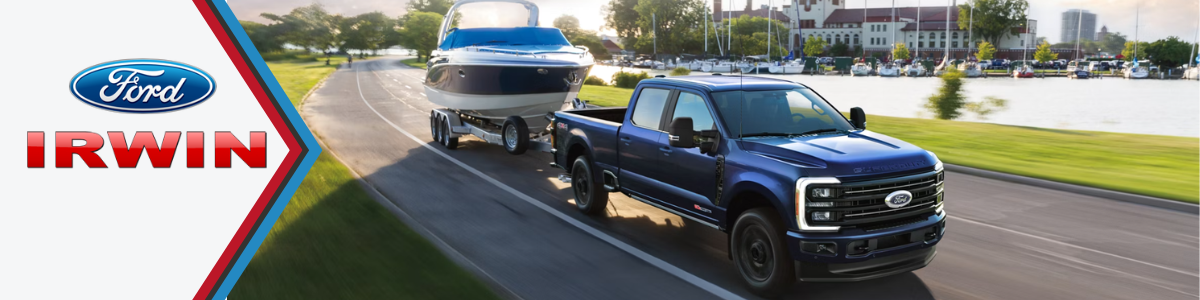
What Can You Actually Tow with the 2026 Ford F-250
Shopping for a Super Duty means you're serious about pulling weight. The 2026 F-250 maxes out at 23,000 pounds when you spec it right with the high-output diesel and a gooseneck hitch. That's enough to haul most fifth-wheel RVs, construction trailers, and even smaller equipment haulers without breaking a sweat. What matters more than that headline number is matching your specific needs to the right engine and configuration.
- Four different engines offer towing from 17,300 to 23,000 pounds, depending on your setup and hitch type.
- With the high-output 6.7L Power Stroke diesel, you get 1,200 lb-ft of torque and 500 horsepower for serious pulling power.
- Your actual towing number depends on cab style, bed length, drivetrain choice, and whether you're using conventional or gooseneck hitching.
Breaking Down the Engine Options
Ford gives you four power plants for 2026, and each one delivers different capabilities. Starting with the base 6.8L gas V8, you get 405 horsepower and 445 lb-ft of torque. This engine pulls 17,300 pounds with a conventional hitch and costs less up front. Contractors who tow occasionally but want a reliable work truck often go this route.
Step up to the 7.3L gas V8, and you get 430 horses with 485 lb-ft of torque. This bigger gas motor handles 19,500 pounds on a fifth-wheel setup. Folks who want gas simplicity but need more muscle than the base engine typically land here. Fuel savings compared to diesel can add up if you're not towing heavy loads every single day.
Now we get to the diesel options. Standard 6.7L Power Stroke turbo diesel cranks out 475 horsepower and a massive 1,050 lb-ft of torque. Hooked to a gooseneck, this setup tows 22,900 pounds. Mountain passes with a loaded trailer feel manageable rather than white-knuckle, thanks to all that torque.
Topping the lineup is the high-output version of that same diesel. It pushes 500 horsepower and 1,200 lb-ft of torque. This beast achieves the maximum F-250 towing capacity of 23,000 pounds with a fifth-wheel or gooseneck hitch. If you're pulling a 12,000-pound camper up steep grades regularly, the extra torque pays dividends in confidence and control.
Engine and Towing Specs at a Glance
| Engine | Horsepower | Torque | Max Towing | Max Payload |
|---|---|---|---|---|
| 6.8L Gas V8 | 405 hp | 445 lb-ft | 17,300 lbs (Conventional) | 4,240 lbs |
| 7.3L Gas V8 | 430 hp | 485 lb-ft | 19,500 lbs (Gooseneck) | 4,246 lbs |
| 6.7L Power Stroke Diesel | 475 hp | 1,050 lb-ft | 22,900 lbs (Gooseneck) | 4,048 lbs |
| 6.7L High-Output Power Stroke Diesel | 500 hp | 1,200 lb-ft | 23,000 lbs (Gooseneck) | 3,918 lbs |
Conventional vs Gooseneck Hitching
Your hitch choice makes a big difference. A conventional rear bumper hitch drops the maximum rating to 22,000 pounds, even with the high-output diesel. Weight distribution changes when you position the load behind the rear axle instead of over it.
Gooseneck and fifth-wheel hitches mount over the rear axle. This setup places the tongue weight directly over the strongest part of the truck's frame. This arrangement provides better stability and higher ratings. Most people towing big travel trailers or heavy equipment go with a gooseneck hitch for this exact reason.
Real-World Towing Scenarios
What does 23,000 pounds look like in practice? A typical 35-foot fifth-wheel camper weighs around 12,000 to 14,000 pounds loaded. Your F-250 handles these with plenty of margin. Commercial landscape trailers with mini excavators and skid steers usually come in around 15,000 to 18,000 pounds. Horse trailers carrying four horses plus tack and gear might hit 12,000 pounds.
Climbing higher in altitude or tackling steeper routes makes that torque number matter more. A truck making 1,200 lb-ft doesn't have to downshift as often on grades compared to one with 450 lb-ft. Your transmission stays cooler, and your fuel economy doesn't tank as much when you're not constantly downshifting.
What About Payload
Towing isn't the only number that matters. Payload capacity tells you how much weight you can put in the bed and cab. Gas engines actually offer slightly higher payload ratings than the diesels because the Power Stroke weighs more. For maximum payload, the 7.3L gas V8 tops out at 4,246 pounds.
When you load a fifth-wheel hitch in the bed, that tongue weight counts against your payload. A 14,000-pound trailer typically puts around 2,800 pounds of tongue weight on the hitch. You need enough payload left over for fuel, passengers, and cargo. Running the numbers before you buy prevents headaches later.
Which F-250 Setup Makes Sense
Weekend warriors pulling a camper twice a month can probably get by with the 7.3L gas engine. Daily work truck operators hauling construction equipment should look hard at the standard Power Stroke diesel. For people living in mountainous areas or towing at the upper limits of what the F-250 can handle, that high-output diesel makes the most sense.
Regular Cab configurations offer the highest payload ratings if bed capacity matters more than rear passenger space. Crew Cab models provide full four-door convenience but slightly lower payload capacity. Most buyers find Crew Cab worth the trade-off unless they're building a dedicated work truck.
Ready to See What the F-250 Can Do
We keep a full selection of 2026 Ford F-250 Super Duty trucks in stock with all four engine options. Our team understands towing requirements and can help match your trailer to the right truck configuration. Want to feel the difference between the gas and diesel engines? We'll set up back-to-back test drives so you can compare them directly.
Bring your trailer specs or measurements when you visit. We can calculate exact tongue weights and confirm you're getting enough capacity for your specific needs. Our finance team works with commercial buyers and recreational towing customers alike to structure plans that make sense. Give us a call at 603-524-4923 or stop by 59 Bisson Avenue in Laconia to explore the F-250 lineup. We're here to answer questions about towing packages, axle ratios, and all the details that make a difference when you're pulling serious weight.